

Download your own copy of this list below and share with others.
Join The Mission
A Framework for Generational Wealth and Legacy
Why have Christian nations historically been more free and more prosperous than others?
The answer isn’t geography, natural resources or even dumb luck.
It’s the principles that the majority of people adhere to intrinsically.
Specifically, a set of time-tested, Scripture rooted principles that, when followed faithfully by individuals, businesses, nations and their leaders, produce freedom and prosperity as fruit. In other words, as the natural result. These are the frameworks for a high trust society.
The more closely we live by these principles, the more we’ll experience the blessings they were designed to release.

And the further we drift from them, the more we deprive ourselves and all of society of their rewards.
Corruption Perception Index, 2025
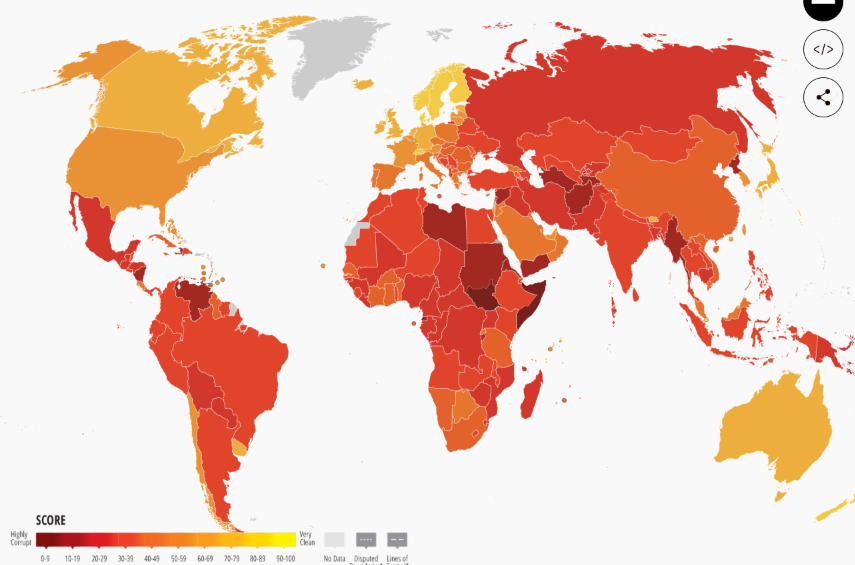
https://www.transparency.org/en/cpi/2025
Here is a sample list of 22 specific principles we can point to and build upon.
PART I — FOUNDATIONS OF PROSPERITY
The principles that build a high trust society, the bedrock of all lasting wealth.
- ✔ The Principle of Generous Sowing
Give first, from a genuine heart of concern, to meet the needs of others.
Prosperity doesn’t begin with taking, it begins with giving. But, not strategic giving, or calculated giving. It’s the kind of giving that comes from a sincere desire to be a blessing, even before you see any return. This is the seed that starts everything.
Scriptures:
- Acts 20:35
- Luke 6:38
- 2 Corinthians 9:6–15
- Proverbs 11:24–26
—
- ✔ The Principle of Absolute Integrity
Do what is right, even when it costs you.
Don’t make any exceptions or excuses for this rule. Do what you said you’d do. Do what is right, even if it means you have to suffer personally. This is the foundation of a trustworthy reputation, and your name should be recognized as one of your most valuable assets in life.
Scriptures:
- Proverbs 10:9
- Psalm 15:1–4
- Colossians 3:23
- Proverbs 11:3
—
- ✔ The Principle of Covenant Unity
Accomplish far more through collaboration than you ever could in isolation.
Two are better than one. A threefold cord doesn’t break easily. The greatest things ever built were built by people working together toward a shared vision. Find your people, lock arms and move forward together.
Scriptures:
- Ecclesiastes 4:9–12
- Psalm 133:1–3
- 1 Corinthians 12:12–27
- Amos 3:3
—
- ✔ The Principle of Honest Confession
Own your failures. Make amends. Never cover up.
Nothing destroys a reputation faster than a cover-up. And nothing restores one faster than a genuine, undefended admission of fault followed by real effort to make it right. Confession is not weakness, it’s the gateway to restoration.
Scriptures:
- Proverbs 28:13
- James 5:16
- Matthew 5:23–26
- 1 John 1:9
—
- ✔ The Principle of Excellent Stewardship
Go above and beyond. Exceed expectations. Deliver extraordinary value.
Whatever you do, do it as if you are doing it for God himself because according to Scripture, you are. Over-deliver. Add personal care. Give more than anyone expects. Excellence is its own reward.
Scriptures:
- Matthew 5:41
- Colossians 3:23–24
- Proverbs 22:29
- Luke 16:10-13
—
PART II — RELATIONAL FREEDOM
How we treat each other determines whether we build a caring community or a failing culture.
—
- ✔ The Principle of Compassionate Investment
Serve those who cannot repay you. God keeps the accounts. It could even be called the law of altruistic reciprocity.
True generosity has no expectation of return from the recipient. When you invest in someone who has nothing to offer back, you are not losing, you are lending to God. And He is a faithful giver.
Scriptures:
- Luke 14:13–14
- Proverbs 19:17
- Matthew 25:35–40
- Galatians 6:9–10
—
- ✔ The Principle of Exemplary Leadership
Walk the walk before you talk the talk.
You cannot lead where you have never been. You cannot ask of others what you have not first demonstrated yourself. Before instruction, there must be an example. Leadership is not a title, it is a state of being. Be the leader.
Scriptures:
- 1 Timothy 4:12
- John 13:13–15
- 1 Peter 5:2–3
- Philippians 3:17
—
- ✔ The Principle of Voluntary Conviction
Never manipulate, coerce, or pressure anyone to act against their conscience.
Freedom of conscience is sacred. The moment you manipulate someone into doing something they believe is wrong, you have wounded them, and you have set a trap for yourself. Persuade with truth, never with pressure.
Scriptures:
- Romans 14:13–23
- Galatians 5:13-15
- 2 Corinthians 3:17
- 1 Corinthians 8:9–12
—
- ✔ The Principle of Merciful Forgiveness
Freely forgive those who cannot repay what they owe you.
Bitterness is expensive. It costs you far more than it costs the person who wronged you. When someone admits their failure, even if they cannot make it right, release them. The freedom you give them is the freedom you receive.
Scriptures:
- Matthew 18:21–35
- Ephesians 4:32
- Luke 17:3–4
- Colossians 3:12-17
—
- ✔ The Principle of Transparent Dealings
Reject every form of deception, subterfuge, and corruption, in business and in life.
Nothing corrupts prosperity faster than dishonesty. Not because you will always get caught, but because deception requires you to carry it. The weight of a lie compounds over time. Transparency is sustainable. Corruption is not.
Scriptures:
- Proverbs 12:22
- Leviticus 19:11
- Ephesians 4:25
- 2 Corinthians 8:21
—
- ✔ The Principle of Just Compensation
Respect what belongs to others. Never take advantage, even when you could.
Don’t steal. Don’t exploit a bad situation to pay someone less than their work is worth. Don’t take what isn’t yours, even if the opportunity is sitting right in front of you. Ill-gotten gains carry a hidden price tag.
Scriptures:
- Exodus 20:15
- Leviticus 19:13
- James 5:4
- Deuteronomy 24:14–15
—
- ✔ The Principle of Righteous Judgment
Judge yourself before you judge anyone else.
Before you render a verdict on someone else’s life, examine your own. The standard you set for others is the standard by which you will be measured. This is not a prohibition on all judgment, it is a requirement for honest self-examination first.
Scriptures:
- Matthew 7:1–5
- Romans 2:1
- Galatians 6:1
- John 7:24
—
PART III — CHARACTER AND REPUTATION
Your name outlives your transactions. Guard it accordingly.
—
- ✔ The Principle of Humble Reputation
Let others praise your work. Self-promotion has its own ceiling.
Boasting in yourself accomplishes nothing, or worse, it invites universal law to prove you wrong. Build something worth talking about. Do work worth praising. Then step back and let the work speak. Quiet excellence is heard further than loud self-promotion.
Scriptures:
- Proverbs 27:2
- Matthew 6:1–4
- Philippians 2:3
- 1 Peter 5:5–6
—
- ✔ The Principle of Honorable Speech
Never tear someone else down to build yourself up.
It doesn’t work. And it reveals something about your character that no amount of success can cover. When you diminish others to elevate yourself, you have already begun your own descent. Lift people up, that is how we rise together.
Scriptures:
- James 4:11
- Ephesians 4:29
- Proverbs 16:18
- Philippians 2:3–4
—
- ✔ The Principle of Redemptive Blessing
When someone falsely maligns you, find a creative way to bless them.
This is perhaps the most counterintuitive principle on the list, and potentially the most powerful. An enemy who becomes an ally is worth more than a thousand friends who were never tested. Respond to hostility with unexpected generosity. It disarms people. It changes rooms. It turns rivals into partners.
Scriptures:
- Matthew 5:44
- Romans 12:20–21
- Luke 6:27–28
- 1 Peter 3:9
—
- ✔ The Principle of Honest Weights and Measures
Conduct every transaction fairly, accurately, and without manipulation.
God detests dishonest scales. This was a law in ancient history and even in modern commerce. It should be a law in your business as well. Don’t fudge numbers. Don’t obscure terms. Don’t bury the truth in fine print. God is always watching, and so, eventually, are your customers, partners or clients.
Scriptures:
- Proverbs 11:1
- Proverbs 20:23
- Leviticus 19:35–36
- Deuteronomy 25:13–16
—
PART IV — COVENANT ORDER AND LIBERTY
The larger structures that protect freedom across generations.
—
- ✔ The Principle of Established Boundaries
Respect lawful boundaries set by those who came before you.
The boundaries drawn by previous generations were placed there for reasons you may not fully understand. This applies to property lines, legal precedents, cultural norms, and constitutional protections. Wisdom knows better than to casually erase what took generations to build.
Scriptures:
- Proverbs 22:28
- Deuteronomy 19:14
- Proverbs 23:10–11
—
- ✔ The Principle of Divine Order
Live in harmony with God’s natural and moral order.
Creation itself is a visible declaration of invisible truth. When we violate the laws of nature established by divine design, we do not outsmart the system, we inherit its consequences. Order is not a constraint on freedom, order produces freedom.
Scriptures:
- Romans 1:20
- Genesis 1:31
- Psalm 19:1–4
- 1 Corinthians 14:33
—
- ✔ The Principle of Honorable Authority
Respect legitimately established governing authority. Pray for leaders. Support just administration.
We pray for good governance not because leaders are perfect, but because just administration is the environment in which peaceful, productive life flourishes. Honor authority where it is legitimate. Pray where it is not. And work to restore what has been corrupted.
Scriptures:
- Romans 13:1–7
- 1 Timothy 2:1–2
- 1 Peter 2:13–17
- Titus 3:1
—
- ✔ The Principle of Debt-Free Liberty
Avoid interest-bearing debt whenever possible. The borrower is servant to the lender.
Debt is not neutral. It is a transfer of freedom from the borrower to the lender. Use it carefully, sparingly, and with a clear exit strategy. Financial bondage is real, and its chains are forged one obligation at a time.
Scriptures:
- Proverbs 22:7
- Psalm 15:5
- Ezekiel 18:8
- Romans 13:8
—
- ✔ The Principle of Redemption and Release
Bondage was never meant to be a permanent condition. God provides a redeemer.
If debt, bondage, or servitude appears to have become a permanent condition, that is a symptom, not a sentence. Scripture built release mechanisms into its economic laws precisely because God never intended anyone to remain enslaved forever. Pray for repentance. Pray for a kinsman redeemer. Redemption is always the goal.
Scriptures:
- Leviticus 25:10
- Leviticus 25:25–28
- Isaiah 61:1–3
- Galatians 5:1
—
- ✔ The Principle of Firstfruits Dedication
Honor God first with the increase He provides. Giving ends where it began, in gratitude.
The first and best belongs to God. Not because He needs it, but because the posture of giving first to Him realigns everything else. It is the acknowledgment that we are not our own. We are stewards. And stewards who honor the Owner get trusted with more.
Scriptures:
- Proverbs 3:9–10
- Exodus 23:19
- Malachi 3:10
- James 1:17
—
THE CATCH-22 OF BLESSING:
Here is something worth meditating on.
Notice where this list begins and where it ends.
It begins with, giving to others, generous sowing, from the heart, with no strings attached.
It ends with, giving to God, firstfruits honor, acknowledging that everything we have came from the Creator of all life.
These are the Bookend principles. A literary device the ancient sages called an inclusio, a teaching wrapped in matching themes to signal that everything in between is connected. And in this case, everything in between, all 20 principles, is a portrait of what it looks like to live faithfully between those two acts of giving.
Love God. Love your neighbor. Everything else is an application of that commandment of love.
But here is the catch, giving presupposes having something to give. And having something requires being in a position of blessing. And being in a position of blessing is not something you can fake your way into.
You cannot manufacture generosity. You cannot manufacture integrity. You cannot manufacture the kind of reputation that makes people want to do business with you for decades.
This is why it’s called a Catch-22.
You have to be the blessing before you can give the blessing. And becoming a blessing is not a self-help project. Some things require divine intervention.
So if you genuinely want to become a source of blessing to others, start by asking God to make a way. Start by being grateful that someone passed this truth to you. And then, to close the loop, turn around and give it away.
Because that is how principles like these survive for generations.
They don’t grow in documents or in curricula.
They are only propagated through people who lived them and then hand them down.
In Scripture, prosperity is often tied to faithfulness, justice, wisdom, stewardship, and covenant relationships. Many of these principles reflect that broader biblical understanding. For example, integrity (#2), confession (#4), forgiveness (#9), honest measurements (#16), and honoring God with firstfruits (#22) all place character ahead of gain.
Another strength is that many of the principles are reciprocal in nature:
- Give generously → receive generously.
- Forgive → be forgiven.
- Show mercy → receive mercy.
- Honor authority → enjoy peace and order.
- Practice honesty → build trust.
- Help the vulnerable → participate in God’s care for others.
These aren’t merely rules; they describe patterns woven throughout Scripture and in culture, God willing.
The observation about giving at both ends of the list may also be more significant than it first appears. The first principle directs generosity horizontally toward people, while the last directs honor vertically toward God. Together they form a kind of cross-shaped framework:
♱
- Love God.
- Love your neighbor.
Everything else helps to define what those two commands look like in practice.
These 22 principles form a part of the mission of Legacy Business Network, a community based on the conviction that the most enduring legacies are not inherited. Rather, they are built, principle by principle, on the only foundation that lasts, the gospel truth.
See Part II here 12 Principles of Human Flourishing
If these principles and ideals resonate with you, you’re invited to partner with us to help build a legacy worth living. JOIN THE MISSION HERE
Bookmark this page or to share with others,